Japan Stigmatized Property 3 Review Hub
A clear-eyed look at JSP3’s camera horror, co-op tax, and whether the third case file is worth another midnight shift.
Verdict in one paragraph
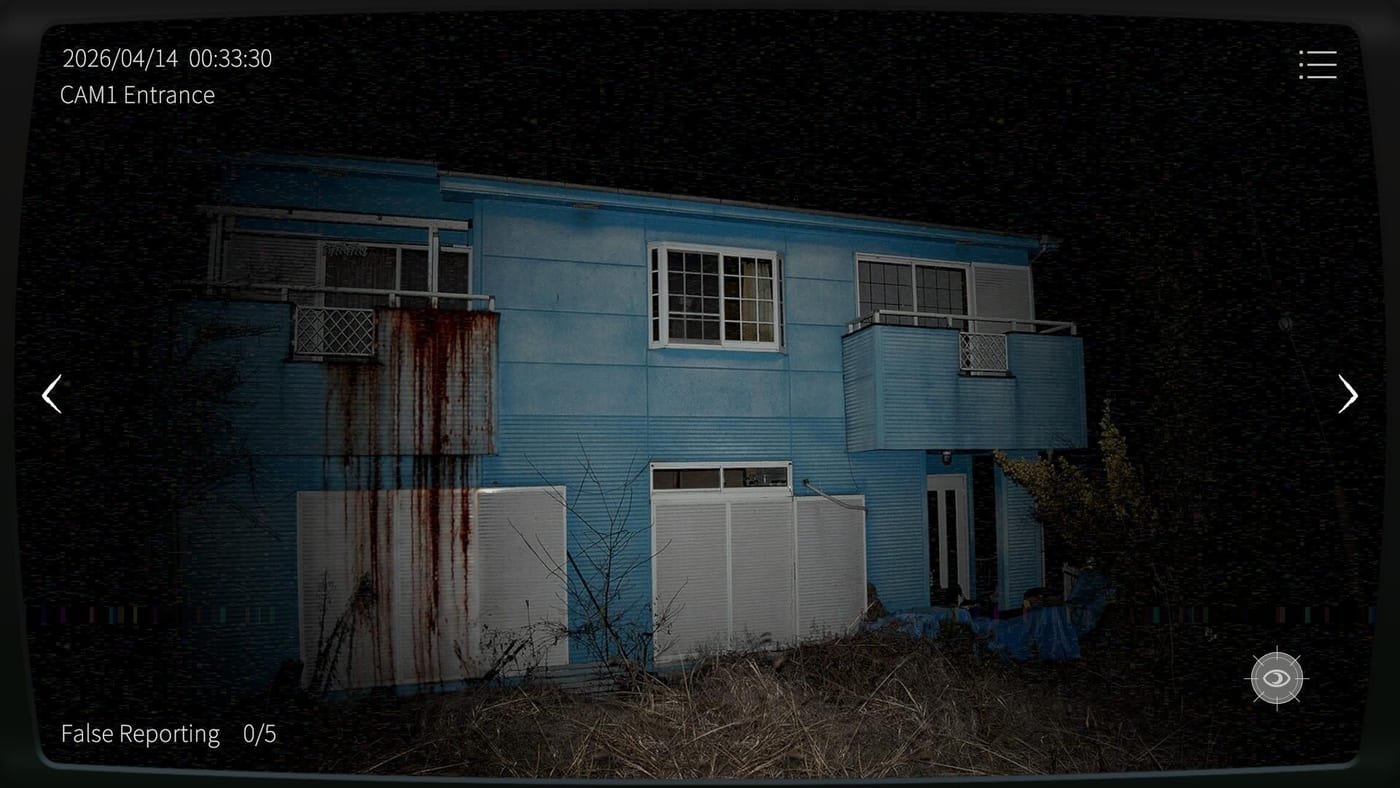
Japan Stigmatized Property 3 is still the association’s signature job: watch real Japanese properties from 00:00 to 05:00, report anomalies, and fail when you miss a stack or spam false reports. The third entry adds online co-op with PC↔mobile cross-play and a thermal camera, keeps four new properties, and ships 32 Steam achievements that gate full completion behind pair play. Early Steam reception landed at Mixed, with praise for the familiar dread and complaints about reskin feel, room-code UX, A/D friction, and co-op-gated paperwork. If you loved the loop in JSP1 or JSP2, this is more nights with new maps. If you wanted a reinvention, temper expectations.
What the shift still is
You are an observer for the Japan Stigmatized Property Association. Cameras cycle with A/D, night vision toggles with W, reports require a hold-click, and Esc handles settings. Some phenomena only appear on standard feeds or only under NV. Dangerous ghosts often telegraph with knocks or moans. Normal allows five false reports; Hazard Pay (特別手当) tightens that to three while raising spawn pressure. The fantasy remains paperwork under pressure—see How to Play and Controls.
The four properties—Sugiya Ryokan, Blue House, Kannonzaki Park, and Y Residence—are the main content delivery. They differ in clutter, distance, and mood more than in rule changes. That is both the charm and the Mixed-review flashpoint: mastery transfers, novelty is mostly spatial.
What is actually new
Online co-op for two officers is the headline. Room ID and password replace casual Steam invites. Cross-play between Steam and mobile is real and useful for friend groups split across devices. Thermal scanning appears in co-op, giving pairs a third reading after standard and NV passes. Guides: How to Co-op, Cross-play, Thermal Camera.
Achievement structure expands into regular, special allowance, and co-op tracks with report-all ledgers. Thirty-two badges look generous until you notice how many need a partner. The Achievements Hub and Completion Route exist because 100% is a schedule, not a weekend whim.
Mixed early reviews — themes, not pile-ons
Launch-week Steam sentiment hovered Mixed on a small sample. Recurring themes:
- Reskin feel — Same fail math, same midnight clock, new CCTV tours. Fair if you binge the trilogy back-to-back; less fair if you treat each title as a seasonal case file.
- Co-op-gated completion — Survival is solo-friendly; completionists need friends and lobby patience.
- Room code UX — Hosting via ID/password works, but it is clumsier than modern invite overlays.
- A/D bugs — Occasional camera step weirdness under stress. Play around it with deliberate taps; report persistent repros to the developers.
None of these erase the core pleasure of catching a silent object swap at 03:40. They do explain why some buyers bounce after one property.
AI-generated anomalies and mature tags
Steam’s AI disclosure states that some abnormal phenomena include AI-generated content. That matters for players who avoid generative assets on principle and for players who care about uncanny texture tells. The game is still a designed loop with authored fail states—not an AI chatbot with cameras.
Mature description flags jump scares and blood. This is not a gore parade, but it is not a cozy sim either. Streamers should assume sudden audio and imagery; the association explicitly allows broadcasts and Super Chats without permission letters.
Platforms and value
Steam supports Windows and macOS; iOS and Android clients exist with cross-play. System needs are light by 2026 standards—integrated graphics can work. Price sits in impulse-buy territory on Steam (check the live store). A trilogy bundle appears for series collectors. Platform details: Platforms.
Compared lightly with earlier games: JSP1 remains the solo origin with a Switch port and different properties; JSP2 swapped case files again without co-op. JSP3’s identity is “same desk, new buildings, optional partner.” Deeper series notes: Series vs JSP1 / JSP2.
Who should buy
Buy if you enjoy I’m-on-Observation-Duty-style scrutiny, Japanese stigmatized-property lore, streaming spooky paperwork, or co-op callouts.
Wait if you already bounced off JSP1/JSP2 for repetition, refuse AI-assisted assets, or need polished matchmaking to enjoy multiplayer.
Buy carefully if your only goal is 100% achievements—read the co-op tax first.
How this wiki expects you to play after the review
Learn the loop, clear Normal, then decide whether Hazard Pay and co-op are for you. Keep the Shift Checklist open on hard nights. Treat this Review Hub as a buyer’s filter, not as a substitute for your own first property. Midnight still belongs to the cameras, not to the meta take.
Frequently Asked Questions
Quick answers for Japan Stigmatized Property 3 shifts.
Is Japan Stigmatized Property 3 worth buying if I played the earlier games?
Yes if you want new properties and co-op with thermal. Expect the same surveillance rules; Mixed reviews often call that a reskin.
Why are early Steam reviews Mixed?
Common themes include reskin feel, co-op-gated completion, room-code friction, and occasional A/D input issues, alongside praise for the core loop.
Does the game use AI-generated content?
Steam discloses that some abnormal phenomena include AI-generated content. Factor that into your purchase ethics.
Is Japan Stigmatized Property 3 suitable for streams?
Yes. The developers allow streaming and monetization, but expect jump scares and blood imagery.